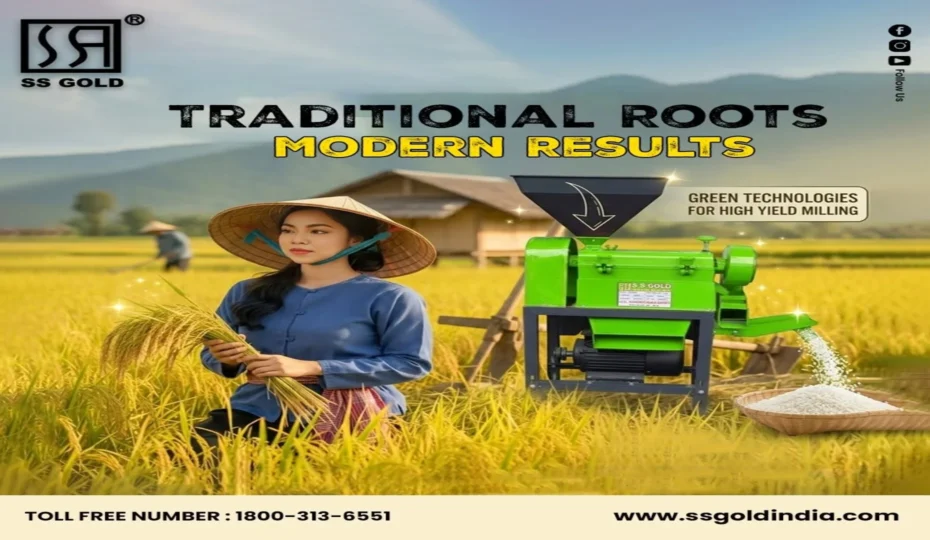
Bridging Traditional Farming with Modern Innovation
For centuries now, rice farming has provided sustenance and income to millions of families all over the world. Though the traditional ways of farming rice have always preserved the core value of farming, the rice processing methods have changed significantly. With the help of modern rice milling technology, farmers can achieve the highest possible quality of the grain as well as minimize the wastage and get maximum benefit from their work.
The modern rice milling machines are highly effective, precise, and reliable tools that help to simplify the process after the harvesting. Starting from the husk removal up to obtaining the high-quality rice, milling machines are an indispensable element that helps increase the efficiency and decrease the labor and cost involved.
This blog will help you to understand why modern rice milling technology is changing the field of agriculture and why the purchase of such equipment will be beneficial to you.
What Is a Rice Milling Machine?
Rice milling machine is the equipment that is used for the further processing of the harvested paddy to obtain the high-quality rice through removal of the outer layers – the husk and bran – of the grains.
Why Modern Rice Milling Matters
Rice is traditionally milled using processes that need a lot of effort and may produce poor-quality grain.
Some advantages of modern rice milling machines include:
- Efficient processing
- High milling efficiency
- High quality of grains
- Reduced grain breakage
- Reduced labor needs
- Enhanced efficiency
All of these features help in earning higher profits without compromising on the quality of the product.
Benefits of Modern Rice Milling Technology
Higher Milling Efficiency
Modern machinery mills large amounts of paddy in a short period, enabling farmers and mill owners to cope with high volumes of production during harvest times.
High efficiency implies:
- Fast processing
- High output per day
- Effective use of resources
- Profitability
Improved Grain Quality
Modern milling machines are engineered in such a way that they minimize the number of broken grains produced, producing higher quality rice.
Some of the benefits of higher grain quality include:
- Higher market value
- Higher customer satisfaction
- Higher sales price
- Minimum waste
Lower Labor Costs
Automated rice milling greatly minimizes labor requirements.
Some of the benefits include:
- Less dependence on labor
- Lower costs
- Increased efficiency
This is particularly useful in situations where labour is scarce.
Reduced Post-Harvest Losses
Proper milling technology minimizes grain damage during processing.
Lower grain losses result in:
- Better rice recovery
- Higher profits
- Reduced waste
- Improved food security
Suitable for Farmers and Small Businesses
Modern rice milling machines are suitable for:
- Individual farmers
- Farmer producer organizations (FPOs)
- Small rice mills
- Agricultural cooperatives
- Rural entrepreneurs
- Food processing businesses
They provide an opportunity to add value to harvested crops while increasing income.
Supporting Sustainable Agriculture
Today’s farming equipment promotes sustainable farming through efficient use of resources.
Efficient rice processing helps in:
- Decreasing wastage of food
- Efficient use of energy
- Increasing productivity
- Environmentally sound farming practices
Technology makes it possible for farmers to work more efficiently.
Choosing the Right Rice Milling Machine
Before investing in a rice mill, consider:
- Milling capacity
- Motor power
- Grain recovery rate
- Energy efficiency
- Machine durability
- Ease of maintenance
- Availability of spare parts
- Warranty and after-sales support
Selecting the right machine ensures long-term reliability and consistent performance.
Tips for Better Rice Milling Performance
To maximize efficiency:
- Use clean and properly dried paddy.
- Inspect the machine regularly.
- Clean the equipment after every use.
- Replace worn parts promptly.
- Follow the manufacturer’s maintenance schedule.
- Train operators for safe and efficient operation.
Routine maintenance helps extend machine life and maintain consistent milling quality.
The Future of Rice Processing
Agriculture is becoming highly technology-oriented. Modern rice processing machinery is being designed to be more efficient and automated.
Some of the future inventions might be:
- Intelligent monitoring systems
- Energy-saving motors
- Automatic quality control
- Advanced grain separation technology
- Decreased operating expenses
Such advances will keep on assisting farmers in producing more food to meet the increasing demand.
Conclusions
Traditional methods of farming have formed the basis of agriculture but advanced technology helps farmers become more successful in their activities. The use of a modern rice milling machine ensures high quality of grains, reduces losses after harvesting, decreases labor expenses, and increases profitability.
If you are a farmer, a rice processor, or an agri-business owner, then buying effective rice milling equipment is an investment in productivity and profits.
Using both traditional methods of farming and advanced technologies in agriculture will ensure that agriculture keeps feeding the future.
Frequently Asked Questions (FAQs)
1. What is a rice milling machine?
A rice milling machine processes harvested paddy into clean rice by removing the husk and bran while minimizing grain breakage.
2. Why is modern rice milling important?
Modern rice milling improves grain quality, increases efficiency, reduces labor, and minimizes post-harvest losses.
3. Who can use a rice milling machine?
Rice milling machines are suitable for farmers, small rice mills, agricultural cooperatives, food processing businesses, and rural entrepreneurs.
4. How does a rice milling machine improve profitability?
It increases grain recovery, reduces waste, lowers labor costs, and produces higher-quality rice that can command better market prices.
5. What factors should I consider before buying a rice milling machine?
Consider capacity, energy efficiency, durability, maintenance requirements, spare parts availability, warranty, and after-sales support.
6. Does modern rice milling reduce grain wastage?
Yes. Advanced milling machines are designed to minimize broken grains and improve overall rice recovery.
7. Is a rice milling machine suitable for small-scale farmers?
Yes. Various models are available to suit different farm sizes and production requirements.
8. How can I maintain a rice milling machine?
Regular cleaning, timely servicing, using properly dried paddy, and following the manufacturer’s maintenance schedule help ensure long-lasting performance.